Likud Splits Over Turnout Strategy With Netanyahu Ahead of Election
Party insiders dispute internal polling data while accusing nonprofit groups of funding a massive counter-campaign.
By Lauren Davis ·
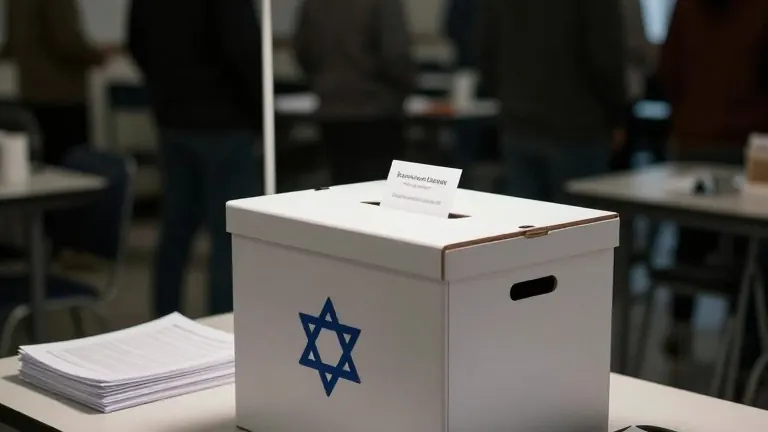
Nearly one-third of Israeli voters remained undecided as the nation headed to the polls on Tuesday, October 27. This figure, from a survey published days before the vote, frames a tense final day for Prime Minister Benjamin Netanyahu's Likud party. The election date was set to allow the current government to complete its full term.
Inside Likud, confidence is fractured. A party source described the mood as split between members who are certain of victory and those who worry about opposition turnout. The optimists rely on forecasts from Shlomo Filber, who manages the party’s internal polling. The source noted the stakes for the pollster: "Either Momo comes out a king, or Momo goes home. It’s one or the other."
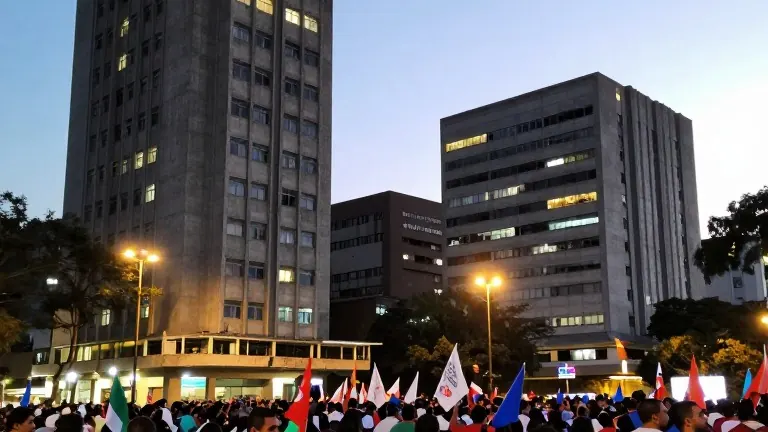
A primary concern for the party is the financial weight of organizations outside the official party structure. Likud sources claim these nonprofits are pouring large sums of money into boosting turnout for anti-Netanyahu camps. The effort included social media pushes, physical signage, field events, and transportation for Arab voters. The party also reported efforts to get Israelis abroad to fly home and vote. One source labeled this dynamic "the nonprofits affair on steroids," arguing the groups provide a support network that bypasses standard party-financing rules.
Likud criticized the Central Elections Committee for focusing on campaign video limits while ignoring this nonprofit activity. However, party sources did not provide documentation for the specific funding amounts cited or for claims that the activity violated the law. The party believes these external funds are shifting the balance of power away from direct party spending.
On the ground, Likud is preparing a large-scale operation for Election Day. The strategy focuses on keeping right-wing votes from drifting to smaller parties. Negotiations to persuade Brig.-Gen. (res.) Ofer Winter, a former Givati Brigade commander and head of the People of Israel party, to drop out of the race failed. Rabbi Eli Sadan later issued a statement backing Winter after the talks concluded without a deal.
The party is also courting supporters of other right-wing slates, including the joint ticket of Yoaz Hendel and Yaron Zelekha. In a related development, Rabbi Abergel’s Ahi party has already withdrawn from the race. During talks with Likud, the parties discussed legislation that would allow the Ahi party to name a deputy minister.
The vote takes place on Tuesday after the election date was fixed for October 27. This timeline ensures Netanyahu’s government finishes its designated term. The final day will test whether Likud’s ground operation can counter the reported financial surge from nonprofit groups and consolidate the fragmented right-wing vote.
Source: The Jerusalem Post