Bipartisan Senators Demand Banks Freeze Diesel Deals
Bipartisan senators and representatives told financial institutions and port authorities that processing Russian fuel shipments could trigger legal scrutiny and congressional probes.
By Lauren Davis ·
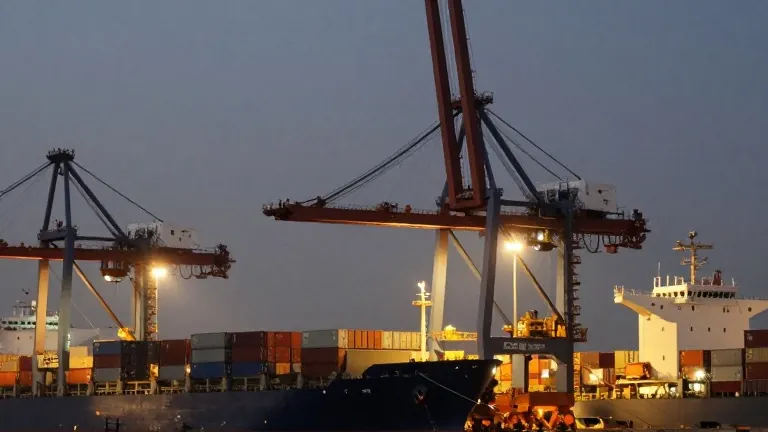
The US Treasury Department recently issued a license to allow Russian diesel imports, a move that has drawn sharp criticism from members of Congress. This action has now prompted direct warnings to the financial and logistical sectors involved in the trade.
A group of bipartisan lawmakers sent letters to chief executives at major banks, including Goldman Sachs. They also addressed port authorities in Houston, Corpus Christi, and Beaumont in Texas, as well as the New York and New Jersey port authority. The officials asked these entities to pause operations related to Russian diesel until legal questions are resolved.
The signatories include Democratic Senators Jeanne Shaheen, Ron Wyden, Sheldon Whitehouse, Chris Coons, and Elizabeth Warren. Outgoing Republican Senator Thom Tillis and Representative Gregory Meeks, the top Democrat on the House Foreign Affairs Committee, also signed the correspondence. They stated that importing the fuel raises legal questions that could lead to civil or criminal liability.
The dispute centers on a deal announced by President Donald Trump on October 9. Under the agreement, Russia will supply hundreds of thousands of metric tons of diesel to the United States. The initial shipment involves more than 300,000 metric tons, followed by 500,000 tons in November and 1 million tons later. A further 3 million tons may be added depending on refinery conditions. Treasury General License 135 provides a six-month exemption from certain sanctions to facilitate this trade.
Lawmakers cited the Ending Importation of Russian Oil Act of 2022, which generally bars such imports unless the president certifies specific conditions, including the cessation of hostilities in Ukraine. They also referenced Section 216 of the Countering America's Adversaries Through Sanctions Act, arguing that the administration skipped a required congressional review. The White House, represented by spokesperson Taylor Rogers, called the effort politically motivated and said Democrats would continue their decade-long obsession with investigating President Trump.
The letters requested that companies preserve all records dating back to September 1. This includes contracts, shipping documents, payment records, and communications with suppliers and US officials. Recipients were asked to confirm by October 28 that they had preserved these documents and to report on any proposed or actual imports. Vessel tracking data suggests ships could arrive at Beaumont and New York or New Jersey by the end of October.
Representative Jamie Raskin, the top Democrat on the House Judiciary Committee, warned fuel industry associations that importers could face penalties of up to 20 years in prison. He noted that companies could be held accountable under the current administration or the next. Experts offered mixed views on the impact, with some saying the license reduces sanctions risk for foreign firms, while others suggested it might cause banks to freeze financing efforts.
Source: RFE/RL